
When Relaxing Feels Hard: Why Your Body May Need Help Shifting Out of Stress Mode
You finally sit down.
The house is quiet. Your phone is silent. No one wants anything from you. Technically, this is your chance to relax.
And yet…
Your shoulders are tense. Your jaw is clenched. Your breathing is shallow. Your mind replays the day, previews tomorrow, and reminds you of the seventeen things you didn’t remember to do.
So much for relaxing.
If slowing down feels hard, you’re not alone. Many people are so used to living in “go mode” that rest feels unfamiliar, uncomfortable, or even impossible. You may be physically tired and emotionally drained, but your body still doesn’t know how to let go.
That doesn’t mean you’re bad at relaxing.
It means your nervous system needs support.
Why Your Body Stays “On”
Stress isn’t just something you think about. It’s something your body responds to.
When life feels busy or heavy, your body shifts into alert. Muscles tighten. Breath changes. Digestion slows. Sleep becomes lighter and more restless. Your mind races, even when you desperately want it to be quiet.
That natural response can be helpful when you truly need to react quickly. The problem is that many of us live in a constant stream of emails, deadlines, family responsibilities, decision fatigue, noise, notifications, and pressure.
Eventually, your body may start treating everyday life as something to brace against.
Over time, that bracing starts to feel normal.
You might notice it as:
- Tight shoulders, neck, or jaw
- Low back tension
- Headaches
- Restless sleep
- Shallow breathing
- A busy mind that won’t slow down
- Feeling tired but wired
- Irritability or emotional overwhelm
- Difficulty being still without reaching for your phone
Your body’s doing its best to protect you. But staying in that high-alert state can leave you feeling exhausted, disconnected, and tense.
Rest Isn’t Always as Simple as “Just Relax”
“Just relax” sounds lovely in theory.
In real life, it feels like sarcasm or deeply unhelpful advice.
When your body is wound up, you can’t relax just by thinking about it. You know you need rest. You schedule rest. But when you stop, your nervous system still acts like there’s a problem.
That’s why relaxing can start to feel like another item on the to-do list.
You light a candle. Put on cozy clothes. Try deep breathing. But inside, your body is still guarding and scanning for what’s next.
This is where bodywork can be so helpful.
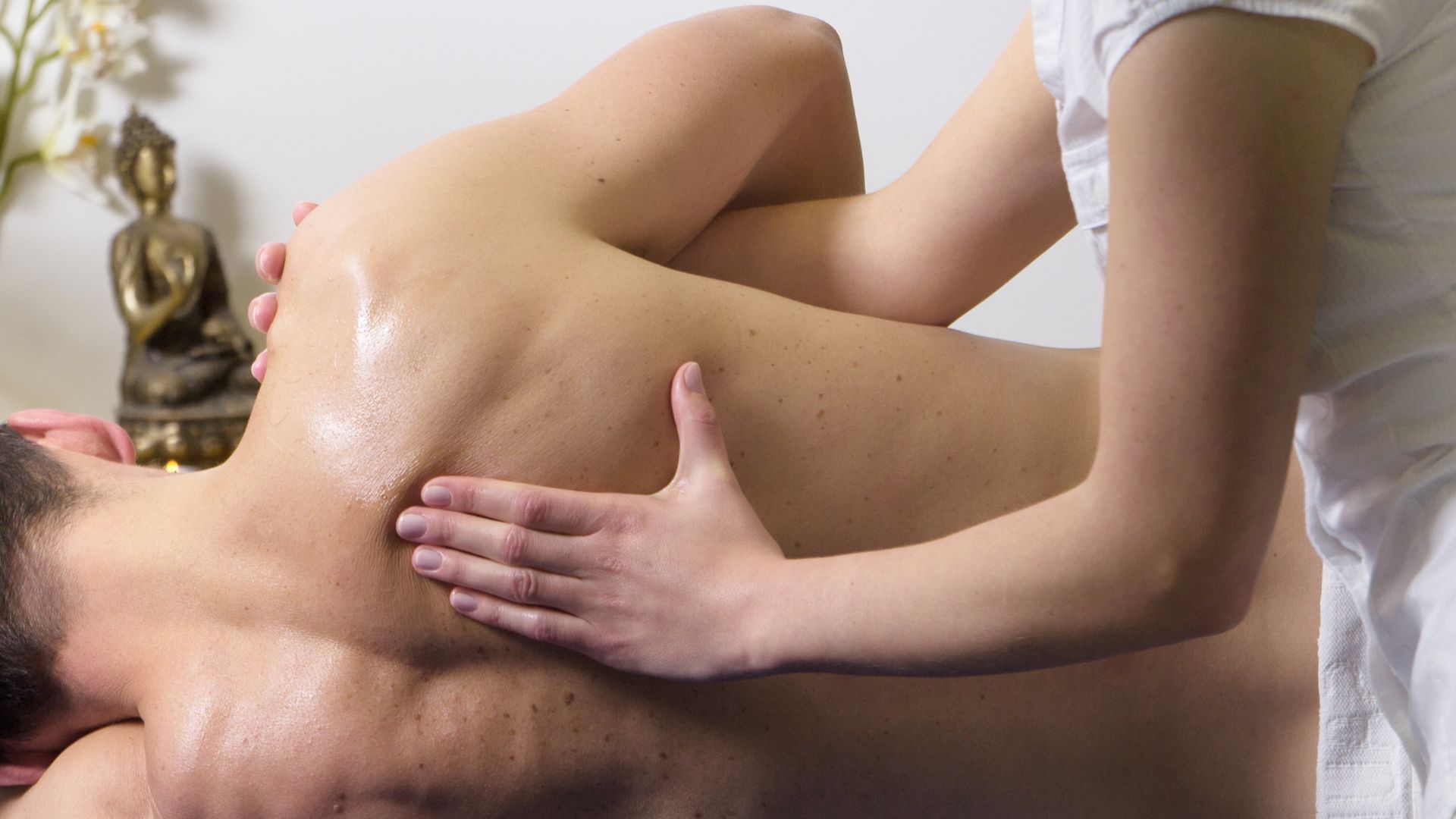
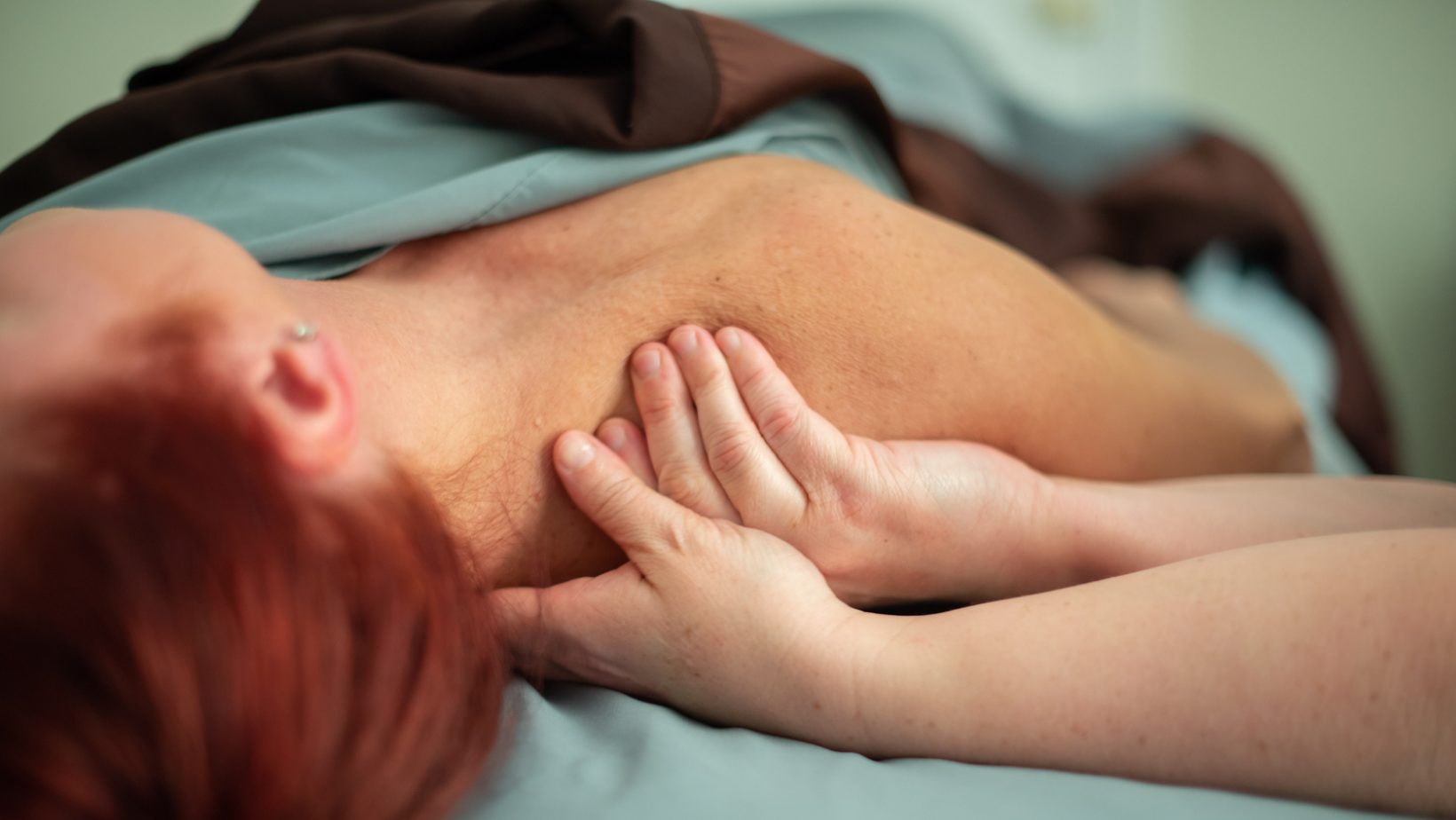
Massage gives your body a physical cue that it’s safe to soften. Instead of trying to force relaxation from the top down, therapeutic touch can help invite your body into a calmer state from the outside in.
How Massage Can Support the Nervous System
Massage is often thought of as muscle work, and it certainly can help with sore, tight, overworked muscles. But it also communicates with your nervous system.
Slow, intentional touch helps your body shift out of stress mode. The rhythm, gentle pressure, supported stretching, and quiet create a space where your body feels safe to release.
You’re not being asked to perform relaxation.
You’re being supported into it.
During a session, your only job is to receive. No messages to answer. No emotions to manage. No decisions to make. You don’t have to explain why you’re tired.
You can simply lie down, breathe, and let your body be cared for.
For people who have a hard time slowing down, that kind of support can be powerful.

Your Session Can Meet You Where You Are
Not every nervous system needs the same kind of care.
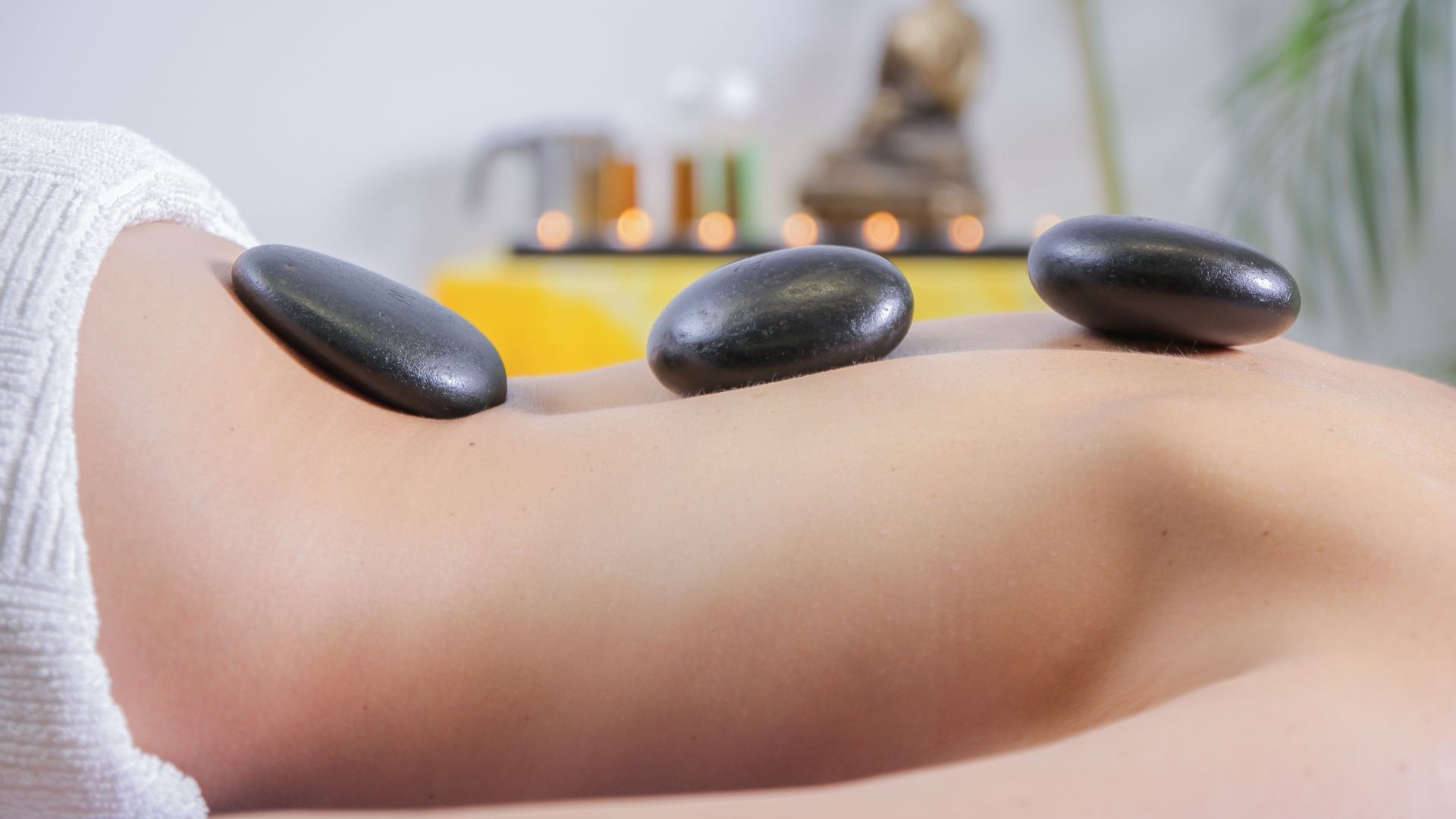
Some days, your body may crave deep therapeutic work to release stubborn tension. Other days, it may need something slower and more soothing. Maybe you want extra stretching, warm stones, aromatherapy, cupping, CoreStone therapy, Thai-inspired movement, or simply a quiet hour or two to let your body exhale.
At Knead It or Knot Massage Therapy, your session can be customized based on what your body needs that day.
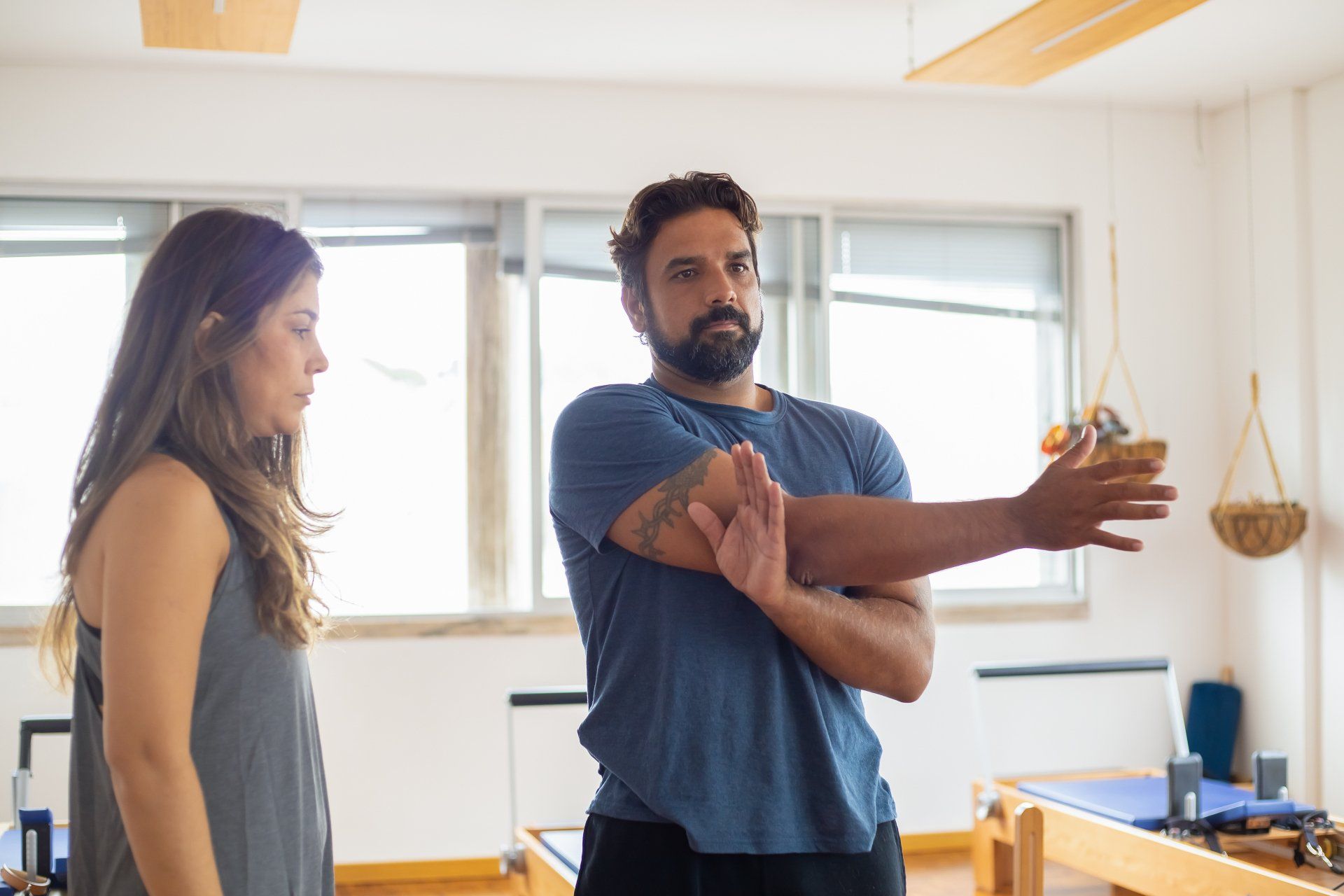
That may include focused work on the neck, shoulders, back, hips, or feet. It could include gentle techniques to calm your nervous system. Sometimes, supported stretching helps you feel less compressed and more mobile. Other times, a mixture of therapeutic and relaxing techniques may be exactly what helps you leave feeling cared for and restored.
You don’t have to know exactly what you need before you arrive.
Come in tired. Come in tense. Come in feeling scattered, overstimulated, or unsure where to begin.
That’s allowed.
You Don’t Have to Wait Until You’re Burned Out
A lot of people wait to book a massage until their body is shouting.
The headache won’t go away. The shoulders are locked up. The low back is angry. Sleep has been off for weeks. Stress has moved from “manageable” to “I cannot keep doing this.”
Massage can absolutely be helpful in those moments. But you don’t have to wait until you’re running on fumes to receive care.
Regular massage can be part of your maintenance plan, not just your rescue plan.
Think of it as a way to check in with your body before your nervous system gets completely overwhelmed. It’s a scheduled pause that tells your body it’s allowed to let go.
Rest isn’t something you have to earn after you’ve done enough.
You’re allowed to care for yourself now.
What If You Feel Restless During Your Massage?
Some people worry that they won’t be able to relax during a massage.
That’s okay.
You don’t have to drop into instant bliss the second the session starts. Your mind may wander to grocery lists and unanswered emails. You might notice how hard it is to be still. Your body may soften slowly, in layers, instead of all at once.
There’s no “right” way to receive bodywork.
Relaxation isn’t a performance. It’s a process.
Sometimes the first few minutes are simply about arriving. Then your breath starts to slow. Your shoulders lower. Your jaw unclenches. Little by little, your body realizes it’s not being asked to do anything.
That shift may be subtle, but it matters.
Give Your Body a Place to Land
If relaxing feels hard, your body may not need more pressure to calm down.
It may need support, intentional touch, gentle movement, warmth, stretching, or stillness.
Sometimes, the most healing part is having someone else hold the space for rest so you don’t have to manufacture it on your own.
Massage can be a gentle reset for your body, mind, and nervous system.
Not because it magically removes every stressor from your life, but because it gives your body a chance to exit the constant rush and remember what it feels like to soften.
You don’t have to wait until you’re completely burned out.
Pause before your body has to shout. Exhale before stress becomes your normal. Give yourself a place to land.
Ready to Help Your Body Remember How to Relax?
Whether your body needs deeper therapeutic work, gentle relaxation, Thai-inspired stretching, cupping, warm stones, sound healing, or just a quiet hour or two where no one needs anything from you, we’ll shape the session around what feels right that day.
And because relaxation shouldn’t come with surprise fees, enhancements are complimentary. No upselling. No add-on pressure. Just thoughtful care based on what your body needs. You can learn more about my background and approach to massage here.
Then, book your next massage and give your nervous system the reset it’s been asking for.